 Aoqunbrushes


SEARCH
Search Product
Search Post
— 葡萄酒 | 威士忌 | 白兰地 | 啤酒 —
— 葡萄酒 | 威士忌 | 白兰地 | 啤酒 —
Many aquaculture operators face a frustrating paradox: despite using advanced incubation equipment, their fry survival rates remain lower than competitors. The culprit is often the most overlooked component: the brush. Whether it is Fish Farm Spawning Brushes, Aquaculture Filter Brushes, or Wastewater Treatment Brushes, these tools are the foundation of a healthy aquatic ecosystem.

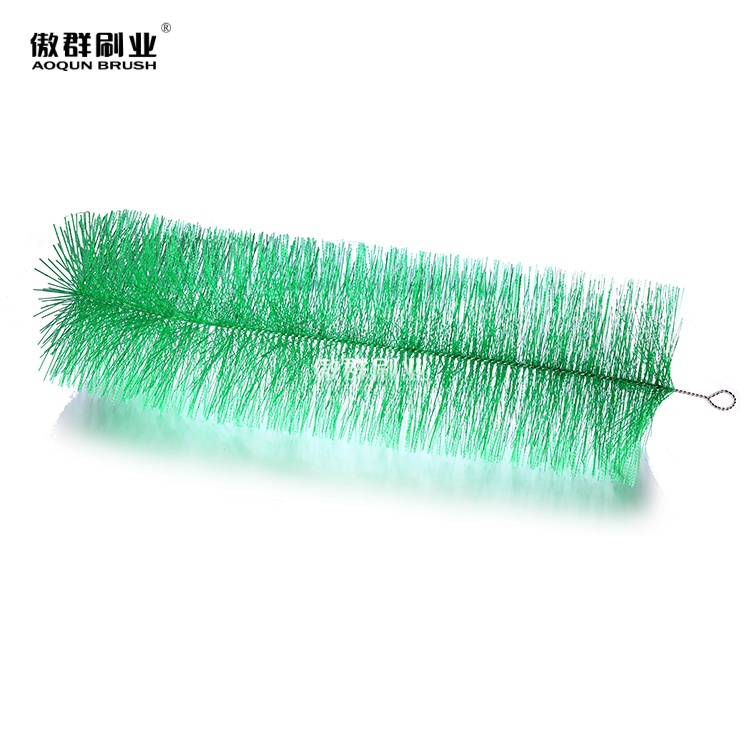
A high-quality spawning brush must be soft enough to prevent egg abrasion, structurally loose to allow water flow, and resistant to corrosion and mold.
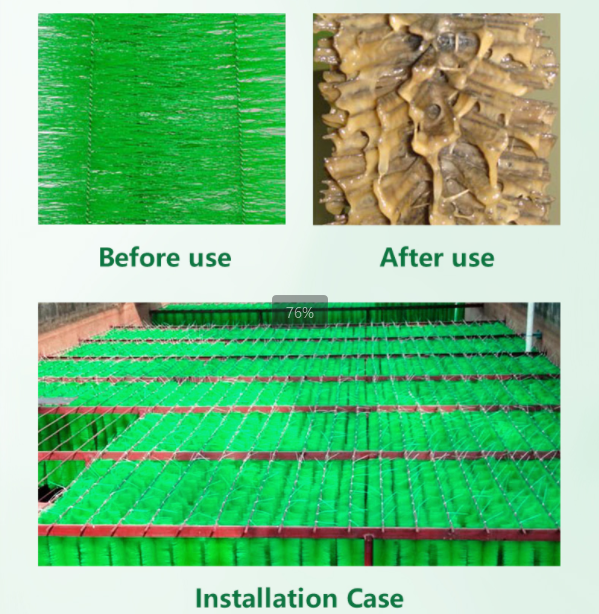
In Recirculating Aquaculture Systems (RAS), the filter brush acts as a 3D lattice, intercepting residual feed and waste while providing a massive surface area for nitrifying bacteria to colonize.
As environmental regulations for discharge tighten in 2026, the Wastewater Treatment Brush has become essential for tailwater management. These brushes facilitate biofilm degradation to efficiently remove COD and Total Phosphorus.
When sourcing industrial aquaculture brushes, focus on these two technical benchmarks:
With the specialized aquaculture brush market projected to exceed $125 million (800M RMB) by 2026, the industry is moving toward high-performance materials. AOQUN’s deep expertise in material science ensures that our brushes improve overall farming efficiency by 12%-18%. If your farm struggles with water stability or low hatching rates, optimizing your brush system is the highest-ROI investment you can make.
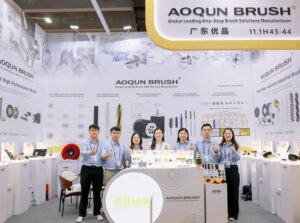
At the 139th Canton Fair, AOQUN showcased precision polishing brushes for EVs (1mm apertures, 99.96% yield), Industry 4.0 automation brushes and biomedical p...
View details
AOQUN invites global partners to the 140th Canton Fair, previewing High-Performance Smart Manufacturing Brushes (ZL 2022 10598941.4) and Robot-Assisted Preci...
View details
Nearly 200 AOQUN employees and families joined the 'Sweetness Awaits' charity family open day, harvesting sugarcane with local farmers in Dongyong Town to su...
View details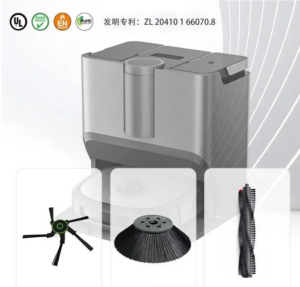
AOQUN's patented high-temperature and wear-resistant robot vacuum brushes hold 0.01mm tolerances, keep wear within 1/3 of industry standards after 1 million ...
View details